
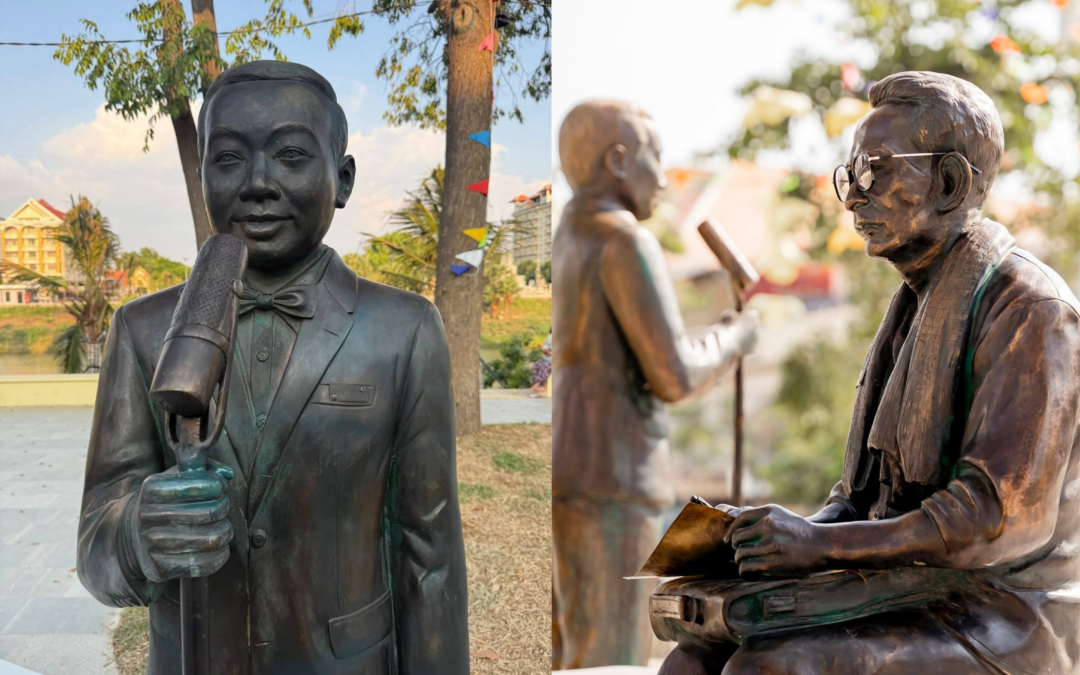
To understand the soul of Cambodia, one must listen to the voice of Sin Sisamuth. Often called the "Emperor of the Golden Voice," Sisamouth’s legacy is more than just a collection of melodies; it is a map of the Cambodian spirit. While his journey began in Steung Treng, it was the fertile soil of Battambang and the flowing waters of the Sangker River that truly nurtured his genius.
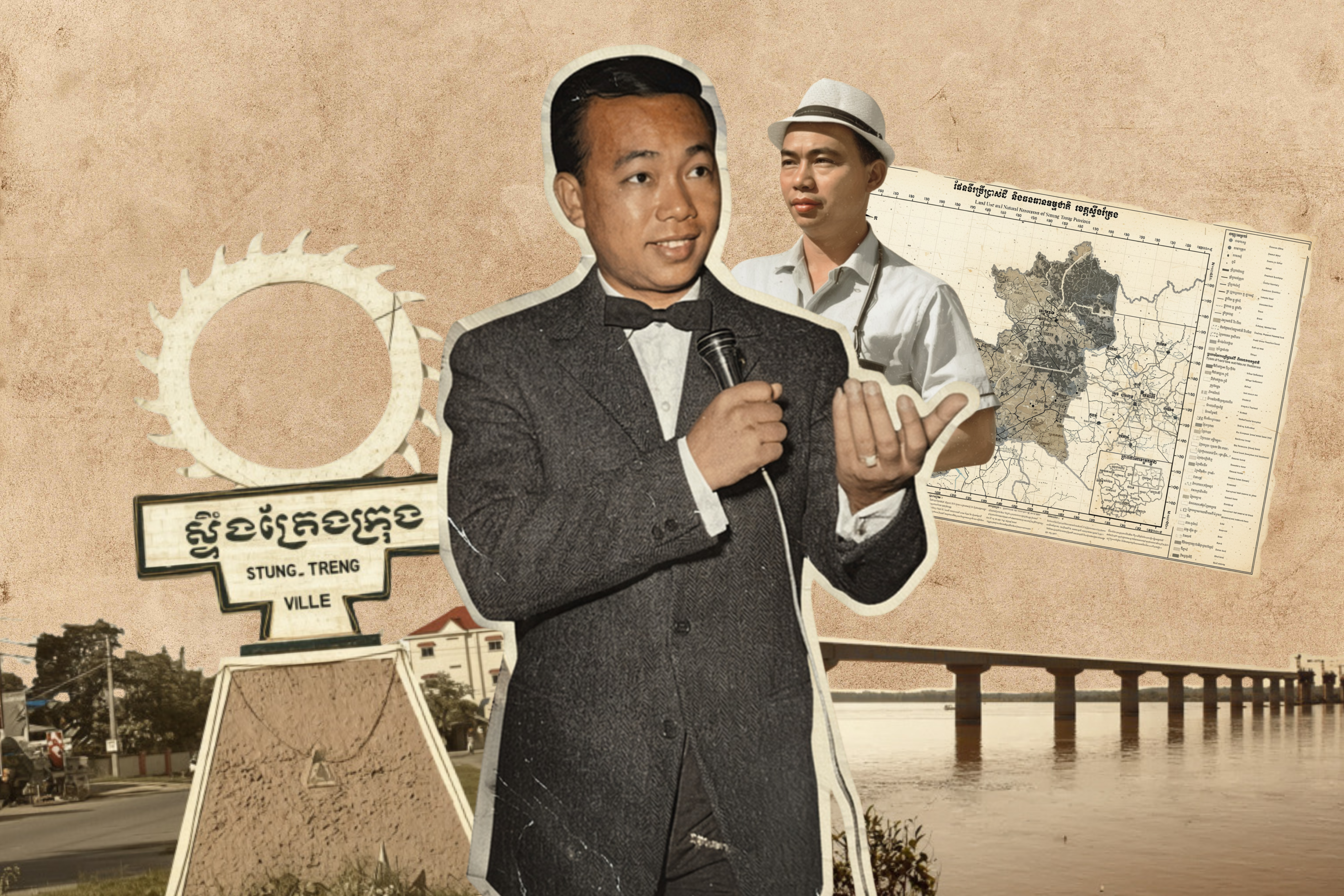
Photo credit: Supplied
A Legacy is Born: Roots and Revolution
Sin Sisamouth was born on August 23, 1932, in Steung Treng Province, one of five siblings. His lineage was a blend of grit and grace; his father, Sin Leang, was a revolutionary officer in Battambang who stood firm against French colonial rule before succumbing to chronic illness. His mother, Sin Bunloe, was of Lao-Chinese descent, contributing a diverse cultural tapestry to Sisamouth’s perspective.
At the age of seven, Sisamouth moved to Battambang Province. Unlike modern stars manufactured in academies, Sisamouth was a product of the earth. His education was entirely organic, rooted in traditions passed down by his grandfather and local elders. In the heart of the countryside, he mastered the tools of his trade:
- The Instruments: He learned the Tro (fiddle), the Chapei (Khmer lute), and the Pey (oboe).
- The Vocal Styles: He moved beyond simple singing to master the intricate nuances of Mohori, Ayai, Yike, and the dramatic flair of Lakhon Bassac.
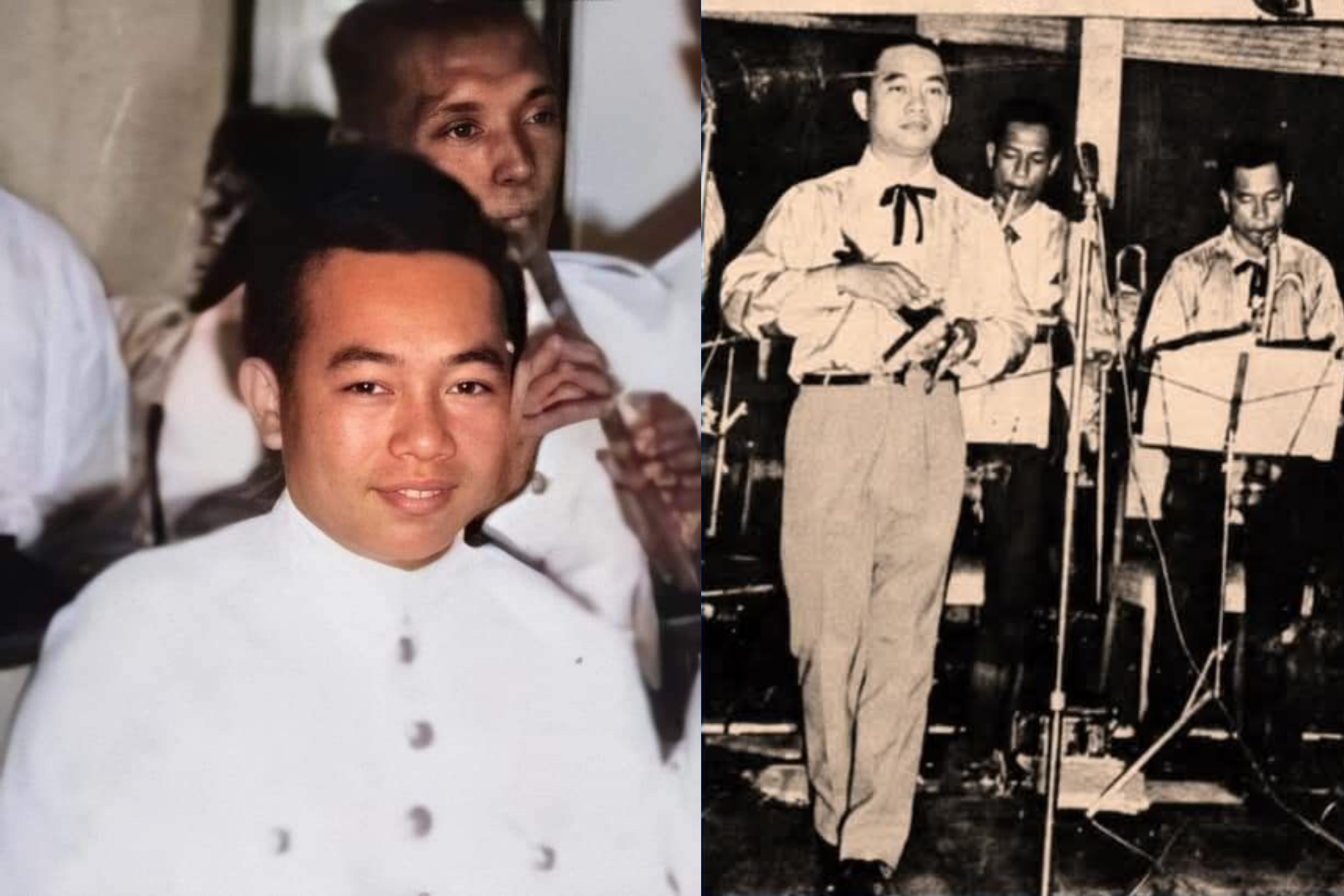
Photo: Credit to owner
The Rising Star and the Royal Connection
In 1950, Sisamouth moved to Phnom Penh to attend medical school. It was here that his destiny shifted as he met fellow musicians like Sos Mat and, later in 1954, the influential composer Pov Siphor. Though he returned to Steung Treng in 1955 to marry his cousin, Khao Tong Nhot, his trajectory was headed for the stratosphere.
By the early 1960s, Cambodia entered a "Golden Age" of performing arts. Sisamouth’s talent was so profound that it earned the deep admiration of King Norodom Sihanouk and Queen Kossamak, who appointed him as the official singer for the Royal Orchestra.
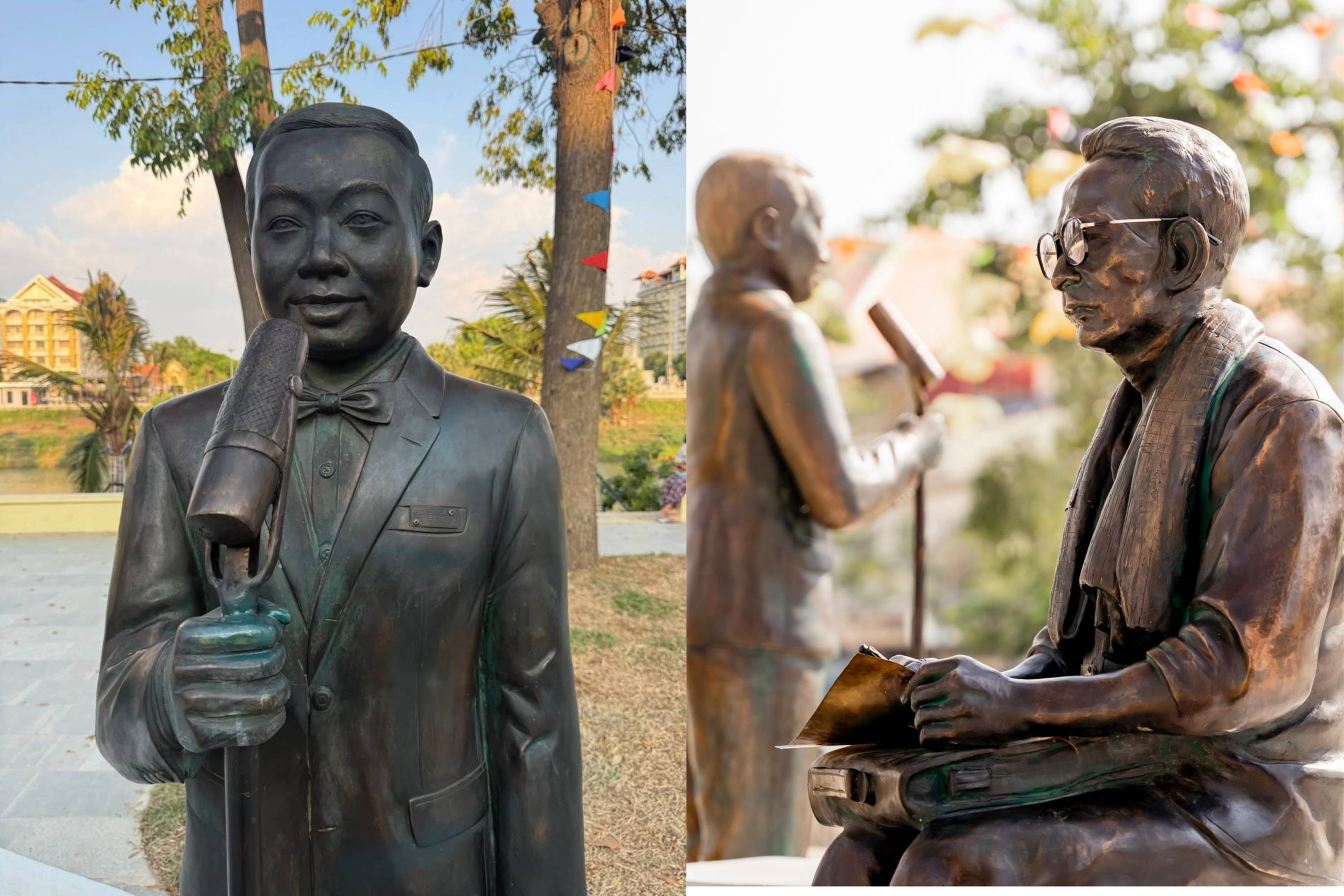
Photo: Credit to owner
The Emperor and the Poet: Mapping Battambang through Song
The most pivotal moment in Cambodian music history was the meeting between the "Golden Voice Emperor" and Kong Bunchhoeun, the "Poet of the Sangker River." While Sisamouth was the nation's biggest star, he craved lyrics that touched the heart with raw, poetic realism.
Bunchhoeun, a master of novels and poems from Battambang, provided the perfect canvas. Though Sisamouth spent his childhood in the province, it was Bunchhoeun’s intimate knowledge of his hometown that birthed the hits we cherish today. Through their collaboration, the geography of Battambang became legendary. When you listen to their songs, you can almost see:
- The Landscapes: The Sangker River, Phnom Sampeau, and the fields of Veal Baek Chan.
- The Classics: Kolab Battambang (The Rose of Battambang), Champa Battambang, Spean O'taki (O'taki Bridge), Spean Chheu Aphoap (The Unlucky Wooden Bridge), and Mlob Doung Ti Dop (The 10th Coconut Tree Shade).
These were not just descriptions of scenery; they were vessels for real human stories—sweet reunions, heartbreak, and the "unlucky" moments of love that still touch hearts today.
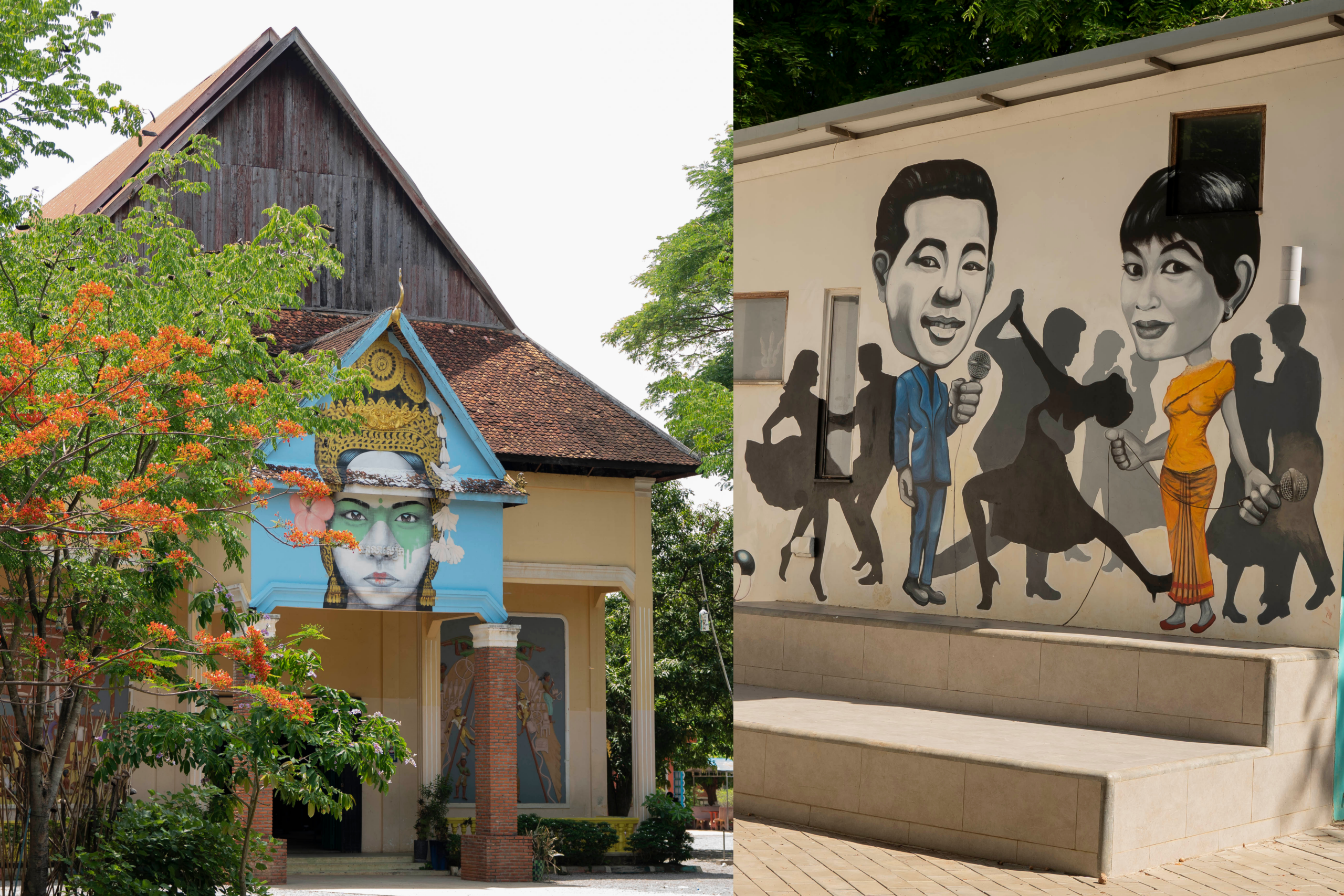
Photo credit: Supplied
The Modern Pulse: Phare Ponleu Selpak
Today, the artistic spirit of the Sangker River flows into Phare Ponleu Selpak. This world-renowned arts center in Battambang acts as the modern guardian of the "organic education" Sisamouth once received.
Just as Sisamouth learned his craft from the village elders and the "soul of Cambodia," Phare provides a sanctuary where local youth can master music, circus, and visual arts.
- Preserving the Flame: Phare continues to teach the traditional instruments Sisamouth loved, ensuring the Tro and Chapei are never silenced.
- The Narrative Thread: The same stories of "happy reunions and sad goodbyes" that Sisamouth sang about are now performed on stage by Phare’s acrobats and actors, proving that Battambang’s creative well never runs dry.
The "Rose of Battambang" hasn't faded. Through the legacy of Sin Sisamouth and the vibrant energy of Phare Ponleu Selpak, the heartbeat of the Sangker River remains as strong as ever.
***
Explore more blog posts related to: Blog English, PPS
Denai Long
LONG Denai | Communications Assistant
Born and raised in Battambang, Denai is a storyteller and photography enthusiast who loves escaping to the countryside. Driven by a mission to bring local heritage to a global audience, Denai is dedicated to sharing the stories of Battambang with the world.